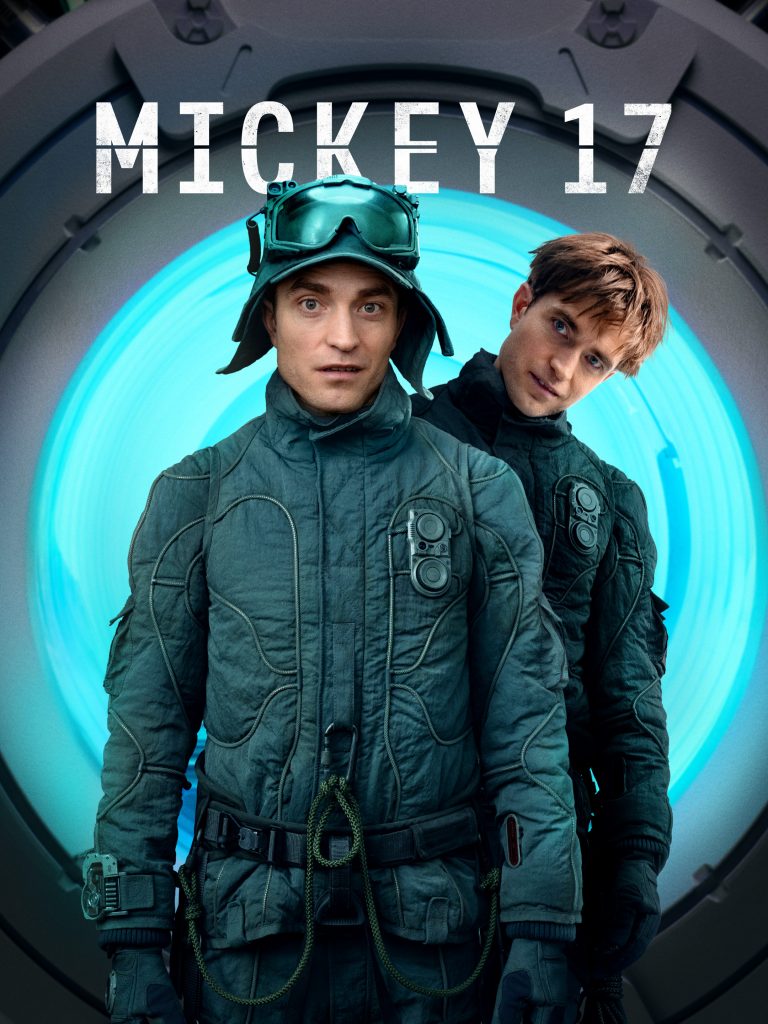
“Mickey 17” Twin Effect
Core Workflow
Capture
Multi-angle performances for each Mickey; doubles for contact shots.
Training
Curated face dataset per look/iteration; normalize frames; tag expressions.
Models
Face-swap for doubles; face reenactment for performance transfer; diffusion/NeRF for hard shots.
Application
Swap onto doubles in overlaps; subtle eyeline/expression tweaks on the actor’s own passes.
Compositing
Match lens/distortion, defocus, motion blur, light wrap; reapply show grain; ensure temporal stability.
With robust on-set data (HDRIs, lens grids, witness cams) and modular models, productions can absorb editorial changes, reduce reshoots, scale compute during crunch, and maintain consistent quality across lenses and lighting—keeping performance intact while controlling time and budget.
A hybrid deepfake + traditional VFX workflow is highly flexible because it lets teams pivot per shot: use classic A/B passes and simple split comps for low-risk coverage, switch to doubles with AI face-swap for full-contact interactions, and apply surgical neural tweaks for last-minute eyeline or expression fixes.
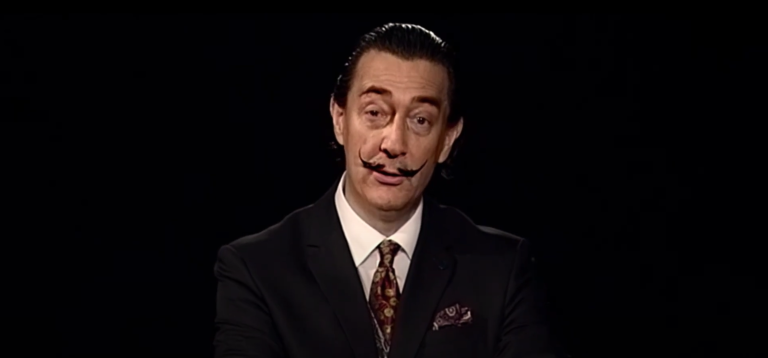
- Deepfake emotions use facial reenactment to transfer nuanced affect—micro-brows, eye blinks, gaze shifts, and cheek tension—onto a target face with temporal coherence.
- Best results come from pairing a strong source performance with careful compositing (lighting, motion blur, grain) so the emotion reads as native.
- Common pitfalls: lip/teeth artifacts, “rubber” cheeks on extremes, and drift across cuts; always address consent and ethical use.
- Ideal use is surgical polish or alignment of takes, not fabricating feelings wholesale.
Project Lead
Nikhil Kumar
Project manager
Jishnu K Mohan
Account manager
Gana Babu
Tech Lead
Anagha B Anu
Modeller
Emma Schneider
Texturing Artist
Sarah Rickson
Animation
Melissa Macaya
Lighting Artist
Charlotte Weber
CEO
Basheer Ahmed