“Sinners” Twin Effect
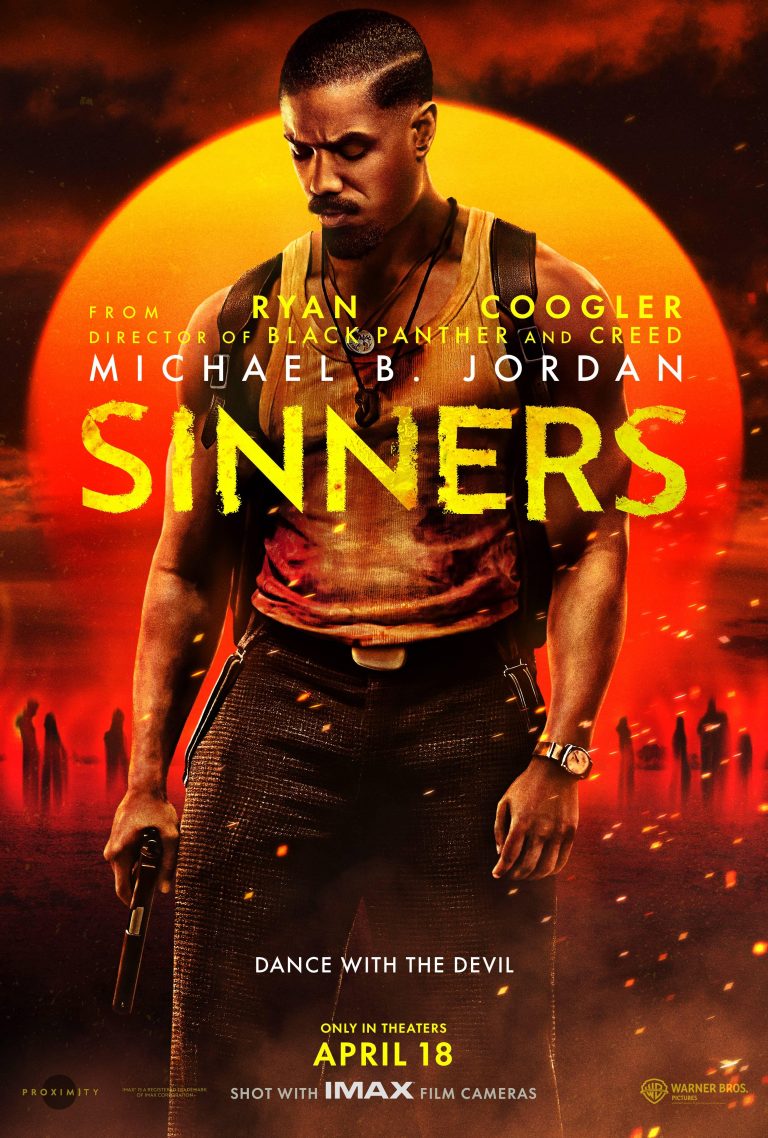
Director Ryan Coogler identified all twin interactions (dialogue proximity, crosses, handoffs) and designated shots as locked-off, motion-control, or full-contact.
Sessions with Michael B. Jordan focused on differentiating posture, cadence, and micro-expressions between twins; rehearsal videos used for timing reference.
Camera/lens tests to build distortion profiles; wardrobe/hair variations to silhouette each twin under matching lighting.
Previs of overlaps and shadow interactions; motion-control paths preprogrammed for repeatable passes.
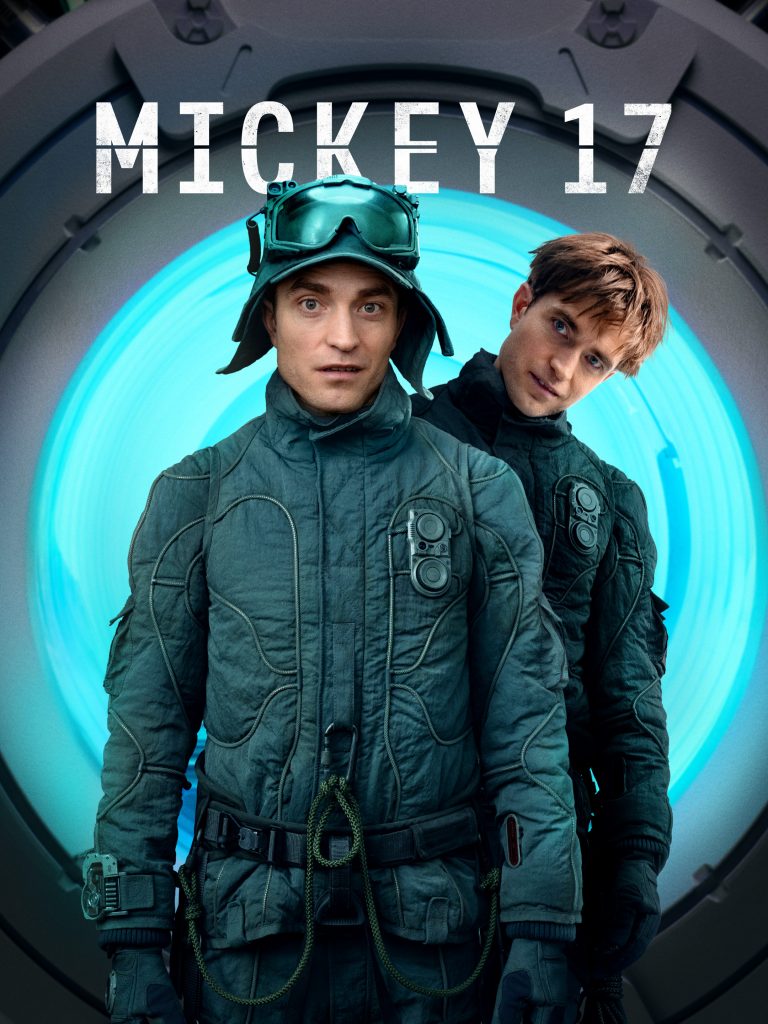
Use repeatable camera passes (locked-off or motion-control), a body double for interaction timing, and meticulous plate-based compositing to let Michael B. Jordan perform both roles, while consistent creative supervision ensures seamless overlaps, shared lighting, and believable contact—so the audience perceives two distinct characters in one space.
Preproduction
- Script breakdown of all twin interactions and classification of shots (locked-off, motion-control, full-contact).
- Rehearsals with Michael B. Jordan to differentiate physicality and cadence for each twin.
- Camera/lens tests and lookdev for wardrobe, hair, and lighting separation; previs/techviz of complex overlaps.previs/techviz of complex overlaps.
On-Set Execution
- Captured A/B passes with identical exposure, focus, and lighting; used motion-control for repeatable moves.
- Directed a trained body double for eyelines, timing, and physical interactions; marked precise contact points.
- Logged lens metadata; acquired HDRIs, grey/chrome spheres, and set scans (LIDAR/photogrammetry) for lighting and geometry continuity.
Postproduction
- Prepped plates: undistortion, stabilization, and exposure/white-balance matching between passes.
- Camera/matchmove solves to unify projections; high-precision roto for hair and fine edges.
- Composited split-screens with articulated mattes; rebuilt clean plates; integrated shared shadows/reflections.
- Executed interaction shots with patch comps, selective limb/prop replacements, and lightweight CG for contact realism.
Performance Capture
Record Michael B. Jordan’s primary performance per character using high-quality reference: frontal and profile angles, neutral and extreme expressions, varied lighting.
Capture clean plates and doubles’ performances for body/interaction when needed.
Training Data Preparation
Curate and clean footage of the actor: high-res, diverse angles, expression coverage, and lighting ranges.
Normalize frames (crop, align, color-balance), and label for expressions/pose to improve model robustness.
Model Selection
Choose between:
Face-swap models (identity transfer onto a double)
Face reenactment models (drive one face with another’s performance)
Neural radiance or diffusion-based methods for high-fidelity synthesis
Prioritize models that preserve eye gaze, blink cadence, and subtle facial tics for character differentiation.
Training and Validation
Train per-character models to create two distinct facial identities/looks for the twins (hairline, facial hair, micro-aging).
Validate on hold-out frames; check for artifacts (mouth corners, teeth, specular flicker, skin pore consistency).
Application to Plates
For shots using a double’s body: apply face-swap onto the double, matching camera/lens metadata and lighting.
For shots with Jordan in both passes: limited use of deepfake for micro-corrections (eyeline tweaks, expression nudges) rather than full swaps.
From the first sketch, our team immerses itself in the soul of the project – the initial concepts and ideas that shape everything from the structure to the product design.
Project Head
Nikhil Kumar
Project manager
Jonas Müller
Account manager
Colin Mondero
Data Wrangler
Christoph Deeg
Model architect
Stephen Miller
Charecter Design
Emma Schneider
Compositing Lead
Sarah Rickson
Mocap Wrangler
Melissa Macaya
Technical engineering
Charlotte Weber
DI
Mark Caldwell